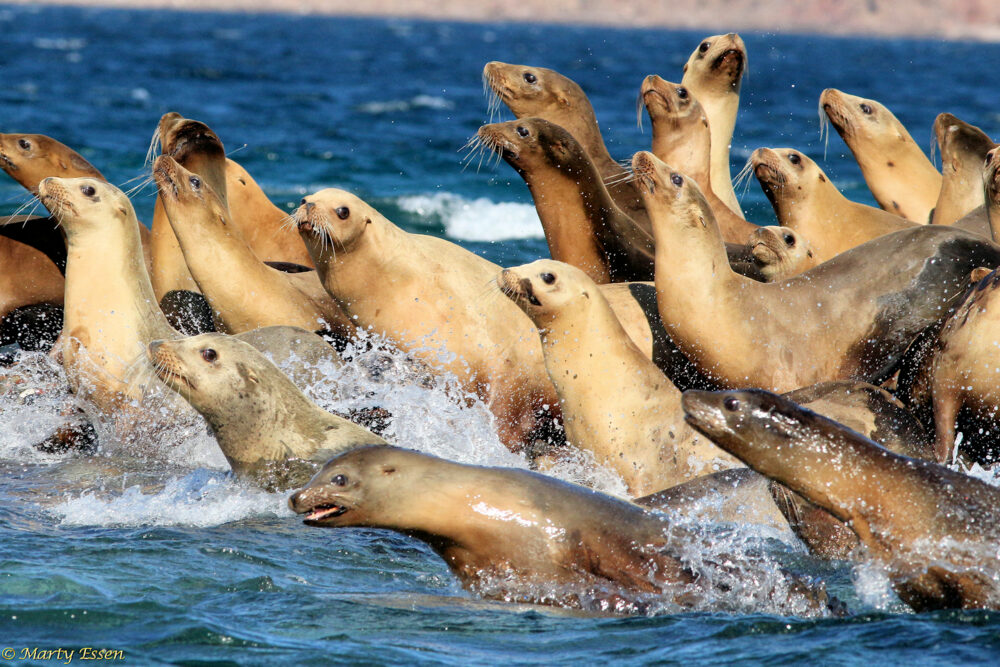
Marty’s photo of the day #5142: Excited California sea lions, rushing into the water to greet their new swim partners. (Photographed in the Sea of Cortez.)
New Swim Partners

You are browsing archives for
Marty’s photo of the day #5142: Excited California sea lions, rushing into the water to greet their new swim partners. (Photographed in the Sea of Cortez.)
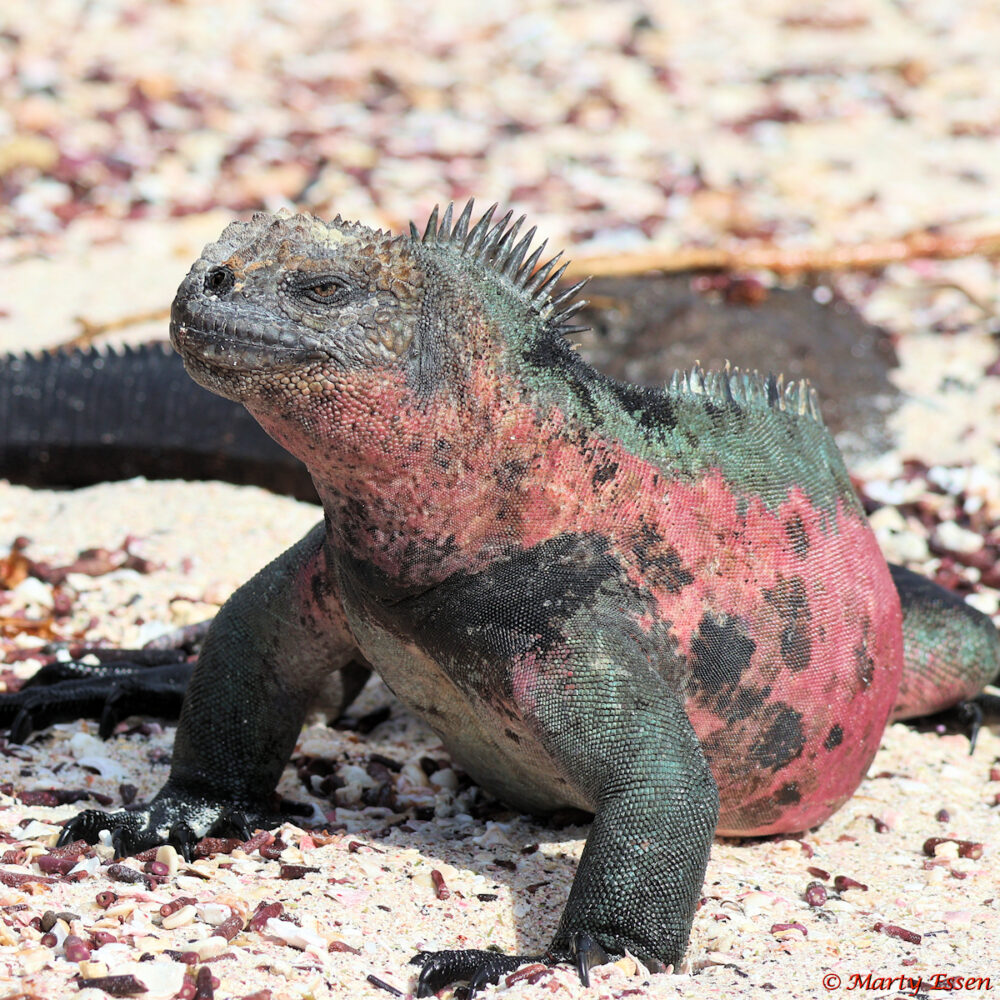
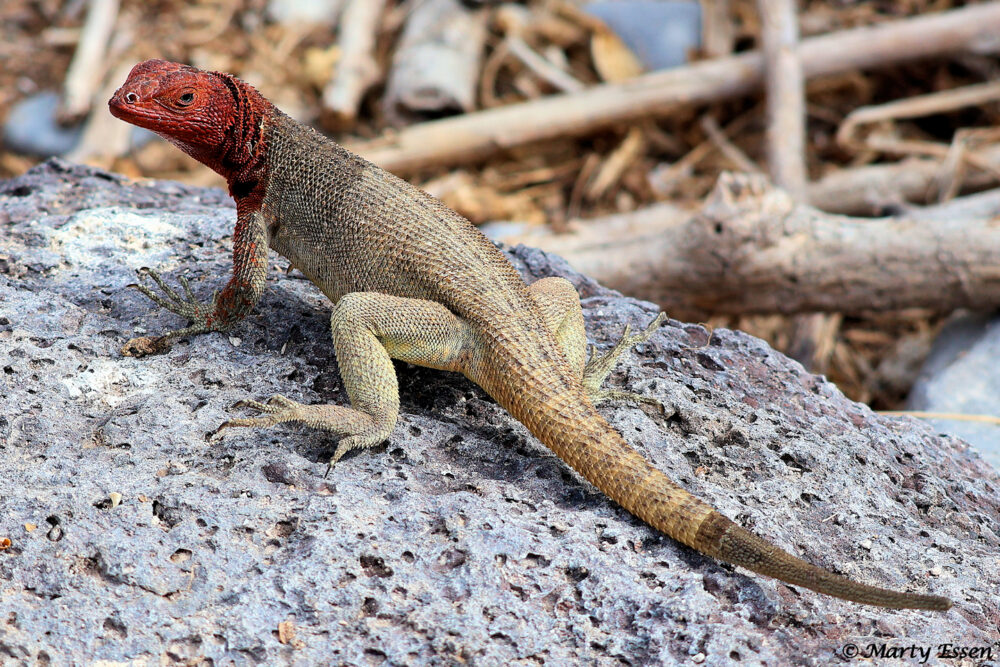
Marty’s photo of the day #5141: You are looking at a Christmas tree marine iguana (also known as Española marine iguana). These lizards are a subspecies found only on Española island. While most marine iguanas are black to absorb sun heat, the males on Española turn brilliant red and green to attract mates—an adaption believed […]
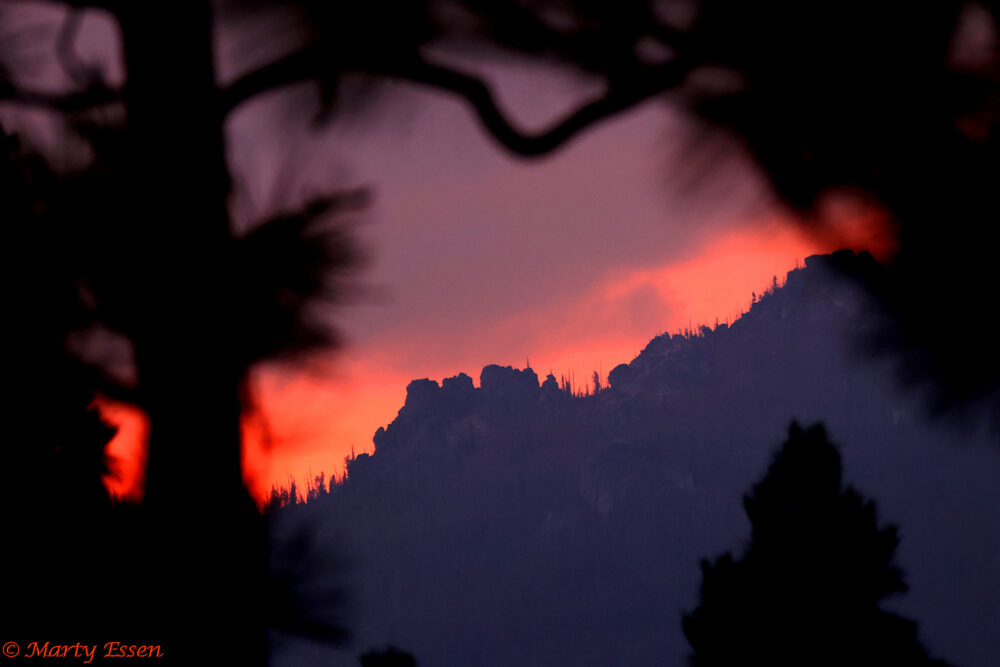
Marty’s photo of the day #5139: Because of all the extremely tall trees and the way Deb’s and my house sits on a ridge, we get great wildlife viewing, but not so great sunset viewing. I shot this photo using a 400mm lens to pierce through a small break in the trees on the ridge […]
Marty’s photo of the day #5138: Antlion larvae hide at the bottom of hundreds of sandy ant traps on the Essen Wildlife Refuge. Later, when those larvae become adults, they resemble a damselfly, and their diet changes from ants to pollen and nectar. Yesterday, I watched this adult land on a branch no wider than […]
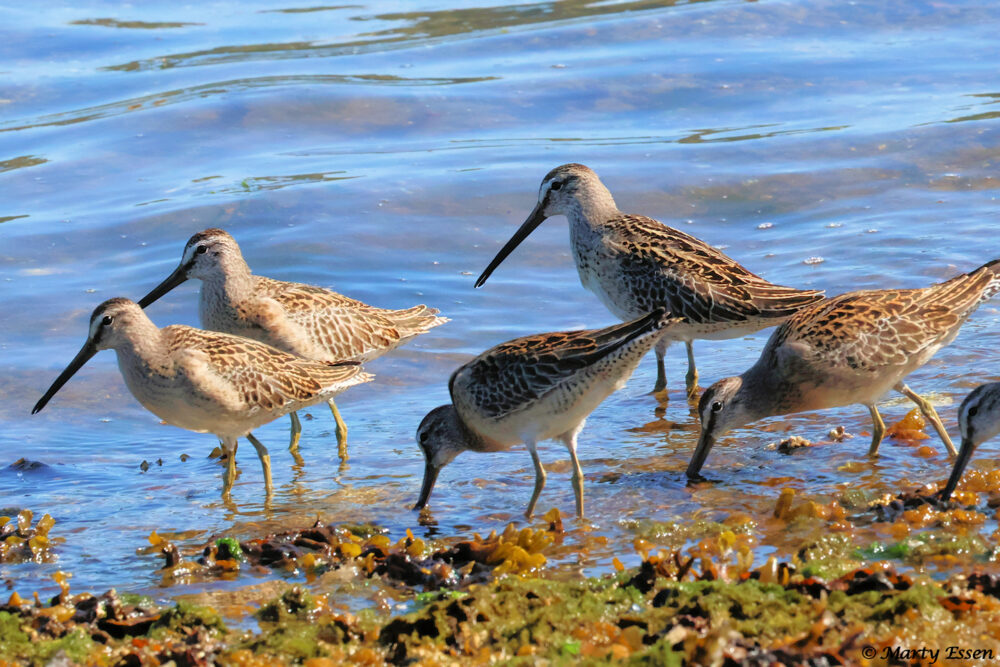
Marty’s photo of the day #5135: These are short-billed dowitchers. (Photographed on Vancouver Island.)
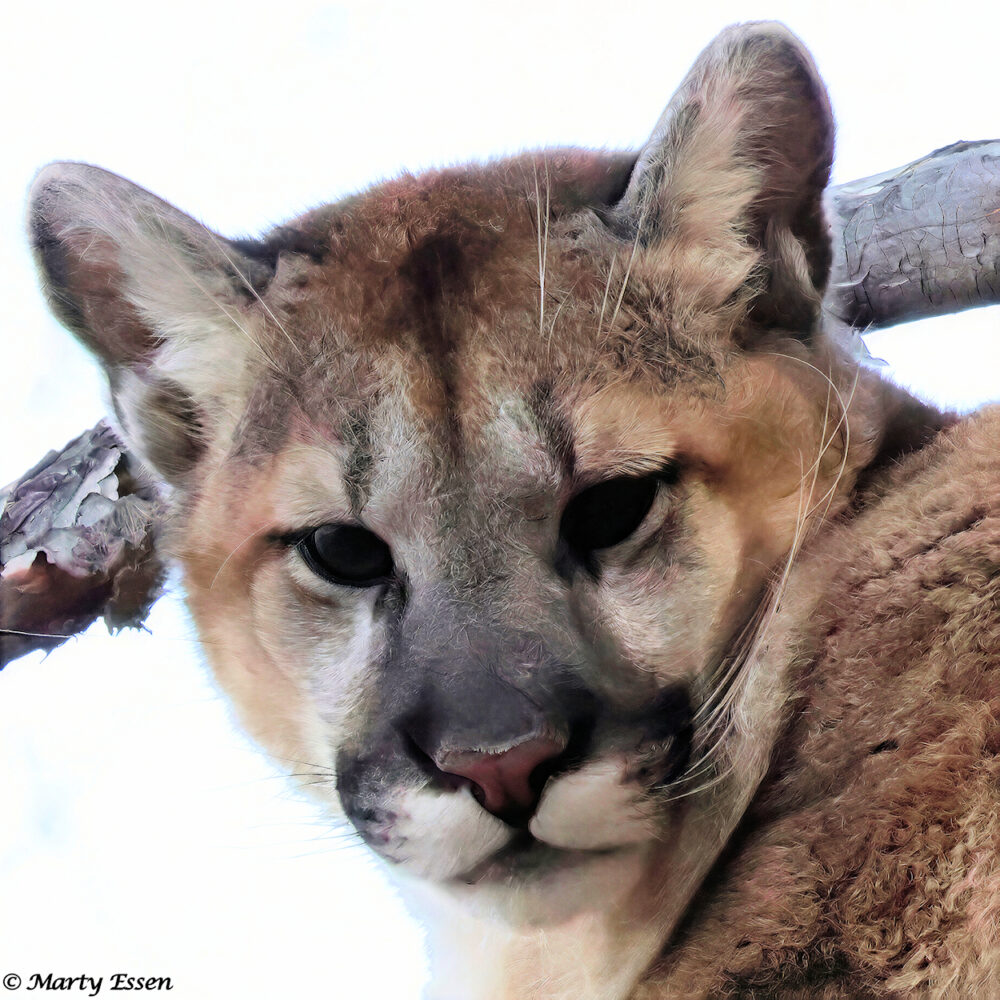
Marty’s photo of the day #5134: “Here kitty, kitty!” Mountain lion, watching from a tree at the Essen Wildlife Refuge in Montana.
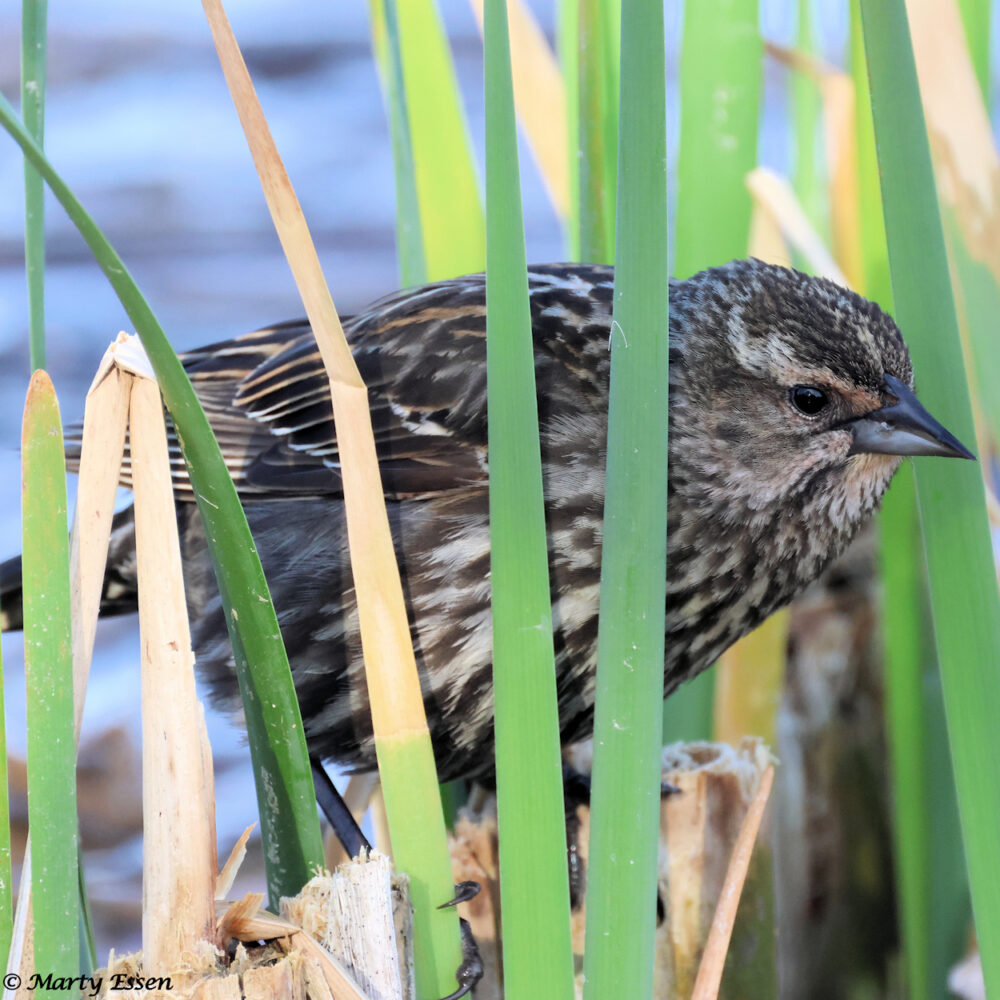
Marty’s photo of the day #5133: A female red-winged blackbird works her way through the hardstem bulrush at the edge of a pond. (Photographed in the Bitterroot Valley of Montana.)
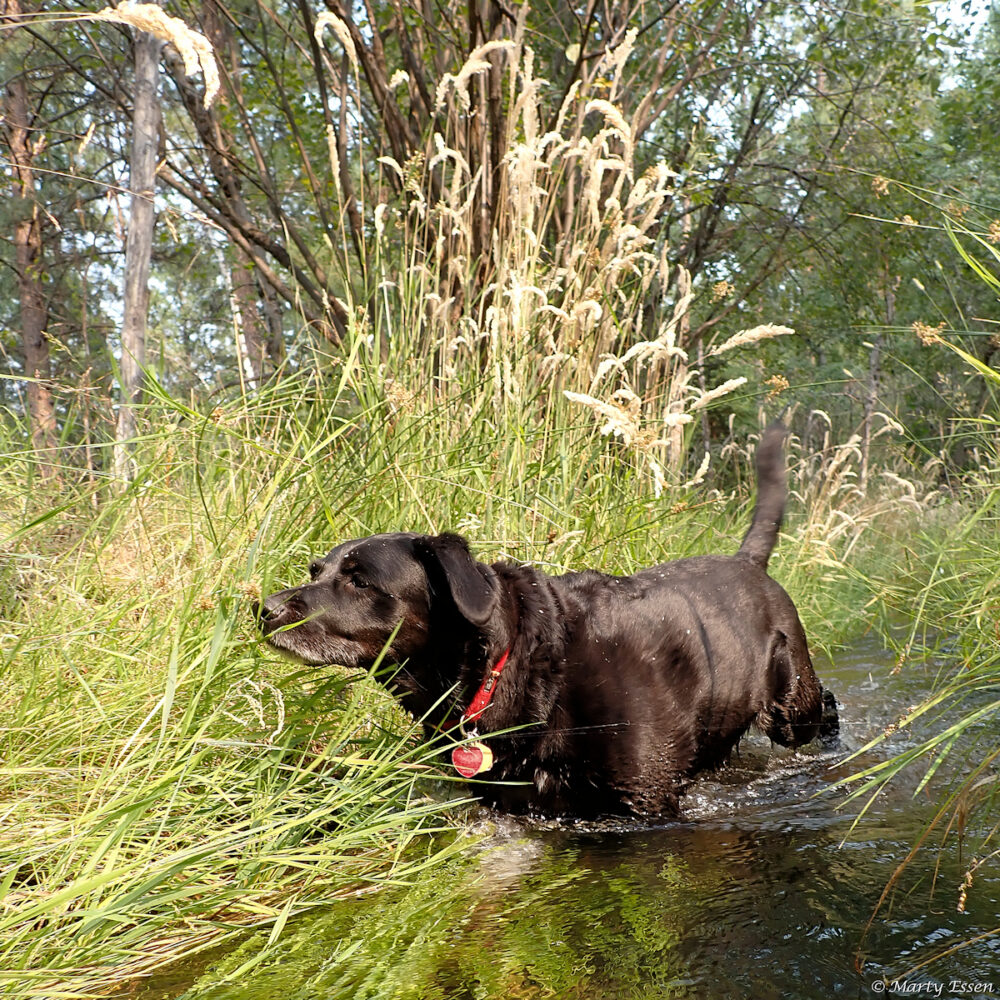
Marty’s photo of the day #5132: In nine days, Nellie gets the final X-ray on her second bionic leg (she had TPLO surgery seven weeks ago) and, if all goes well, she will once again be off-leash and free to race through the forest at warp-nine. For now, she covers every inch of the Essen […]
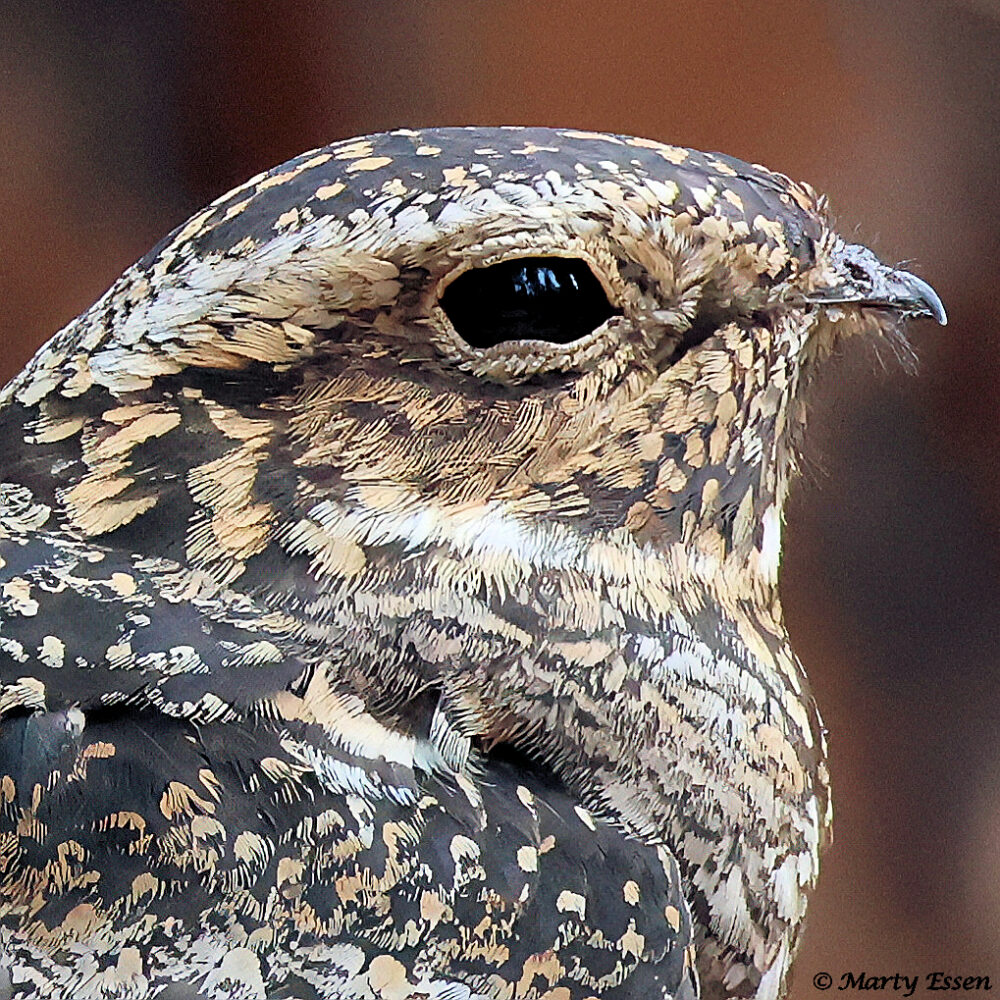
Marty’s photo of the day #5131: During the 30 years Deb and I have lived at the Essen Wildlife Refuge, we’ve often heard nighthawks, but only after dark, and if we saw them they were just a flash in the forest. This year is different. Two weeks ago, I was walking our dog, Nellie, through […]
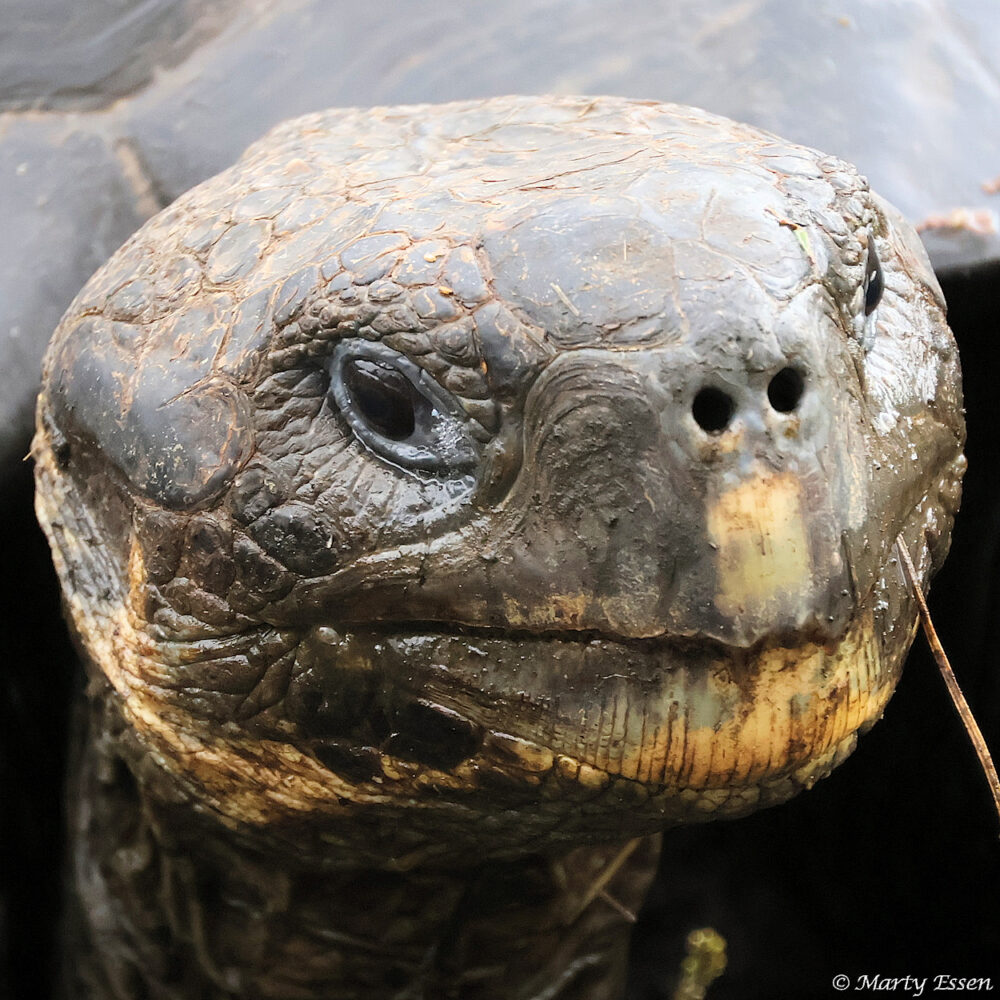
Marty’s photo of the day #5130: This morning, I went through the more than one hundred photos I shot of the migrating Galapagos tortoises (also known as giant tortoises) on Santa Cruz Island. I wanted to find a close-up head shot of one that didn’t look like Mitch McConnell, but it was difficult. They all […]
Marty’s photo of the day #5129: This is a ruby-topaz hummingbird. Depending on the angle of the sunlight, this bird’s feathers change from extremely bright to almost black. (Photographed on the island of Bonaire.)
Marty’s photo of the day #5128: A large green sea turtle (perhaps 350 pounds) comes ashore, earlier this year in the Galapagos Islands.
Marty’s photo of the day #5127: This photo may fool your eyes. You are looking at a yellowmargin triggerfish being cleaned by other fish. (Photographed in the Raja Ampat of Indonesian New Guinea.)
Marty’s photo of the day #5126: This is a male magnificent frigatebird, looking for love. (Photographed in the Galapagos Islands.)
Marty’s photo of the day #5124: Looking into the eyes of a maroon stone crab. (Photographed in the Raja Ampat of Indonesian New Guinea.)
Marty’s photo of the day #5123: “Is this my good side? I can turn, if you want me to.” The mockingbirds of the Galapagos Islands never failed to put a smile on my face. They had no fear of humans, and it wasn’t because they expected food. Feeding was not allowed.